Why Breast Milk Storage Matters:
Breast milk storage is crucial for busy parents who may need to feed their baby at different times or have commitments that take them away from their little ones. Expressing can give you a little more independence at feeding times. Proper storage ensures that breast milk remains safe for consumption while preserving its valuable nutrients and protective properties. Whether you're storing milk in the fridge, freezer, or on the go, the following guidelines will help you maintain the integrity of your breast milk supply.
Storing Breast Milk Safely:
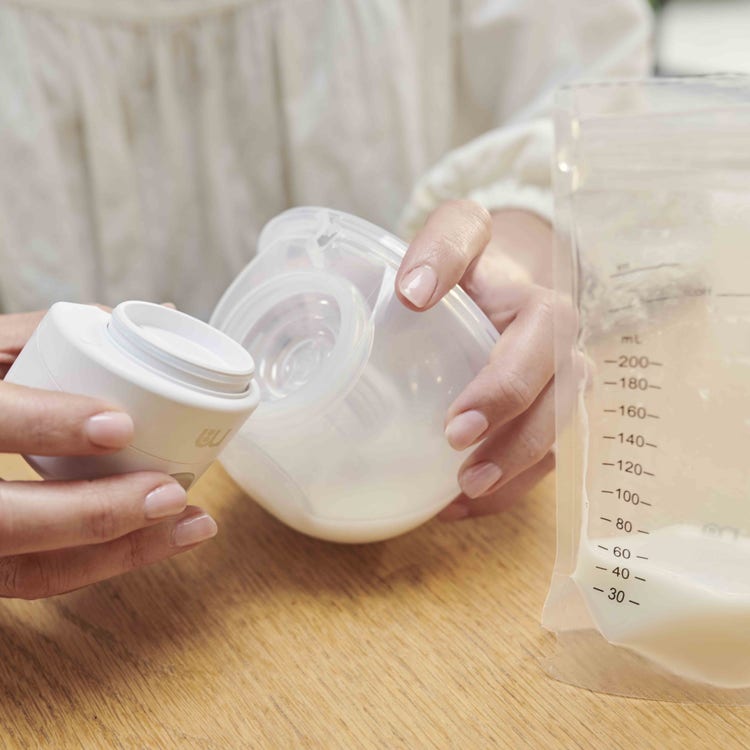
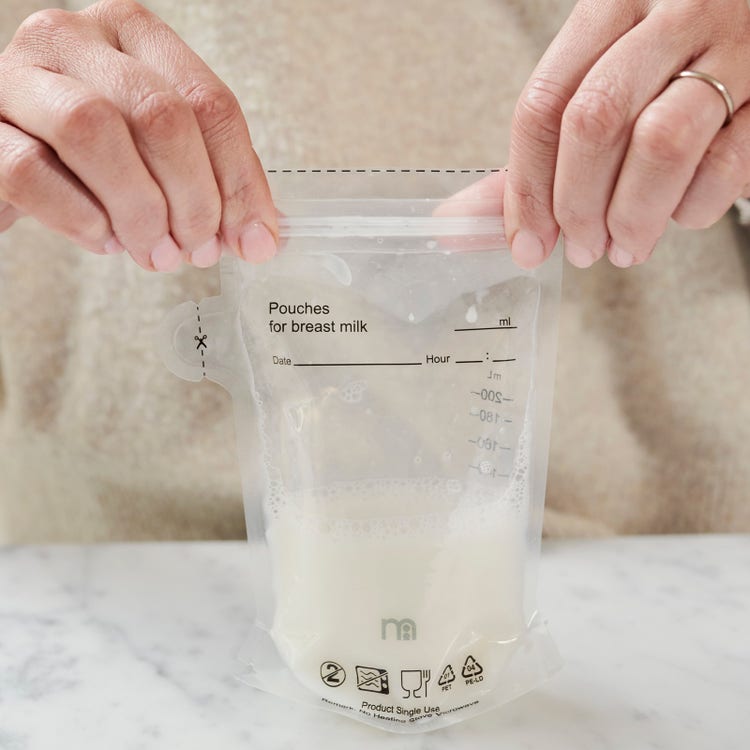
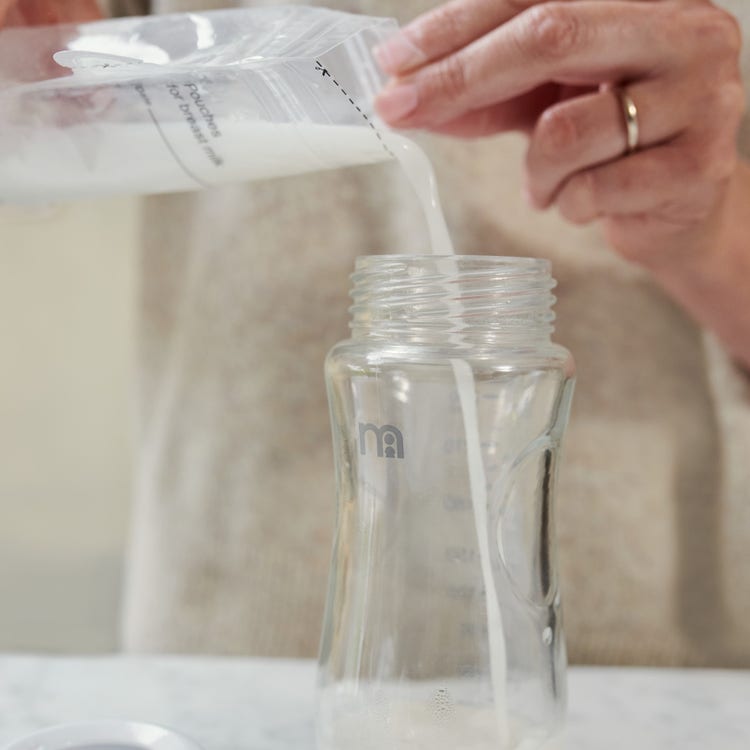
Freshly expressed breast milk can be stored at room temperature (up to 25°C) for up to six hours. If refrigerated at 4°C or lower, it can be stored for up to five days. For longer storage, breast milk can be safely stored in the freezer for up to six months. Safe storage solutions such as breast milk storage bags offer convenience when expressing. Remember to label your milk with the date it was expressed to ensure proper rotation.
Thawing and Using Stored Breast Milk:
When it's time to use stored breast milk, it's essential to gently thaw it safely to preserve its nutrients and minimise the risk of contamination. Thawing frozen breast milk by placing it in the fridge overnight or using warm water is the best way to prepare for it for feeding your little one. Some bottle warmers also have a gentle thraw function to bring milk safely up to the correct temperature. Avoid using a microwave as it can create hot spots that may scald your baby's mouth. Once thawed, gently swirl the milk to mix the fat, and test the temperature on your wrist before feeding.
Tips for On-the-Go Storage:
For parents on the move, use insulated cooler bags with ice packs to transport expressed breast milk safely. This allows you to maintain the milk's temperature while out and about, ensuring it stays fresh until you're ready to use it.
If stored correctly, breast milk can safely stay out of the fridge at room temperature (up to 25°C or 77°F) for up to six hours. After this time, it's recommended to discard any leftover milk. It's essential to follow proper storage guidelines to ensure the safety and quality of breast milk for your baby's consumption.