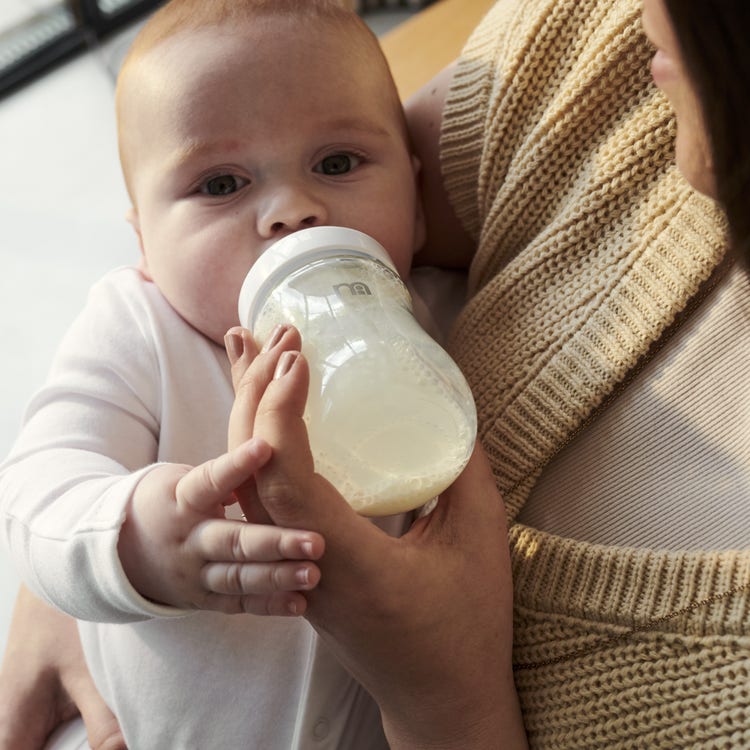
Bottle feeding: a beginner's guide
Embarking on the journey of bottle feeding can be both exciting and overwhelming for new parents. Whether you're choosing to bottle feed exclusively or incorporating it alongside breastfeeding, it's natural to have questions and concerns.
Getting Started
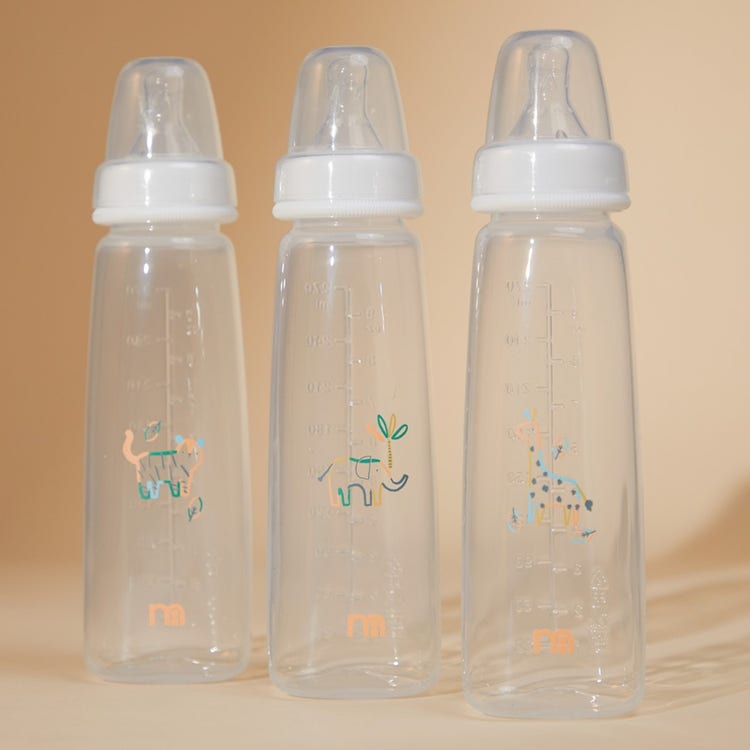
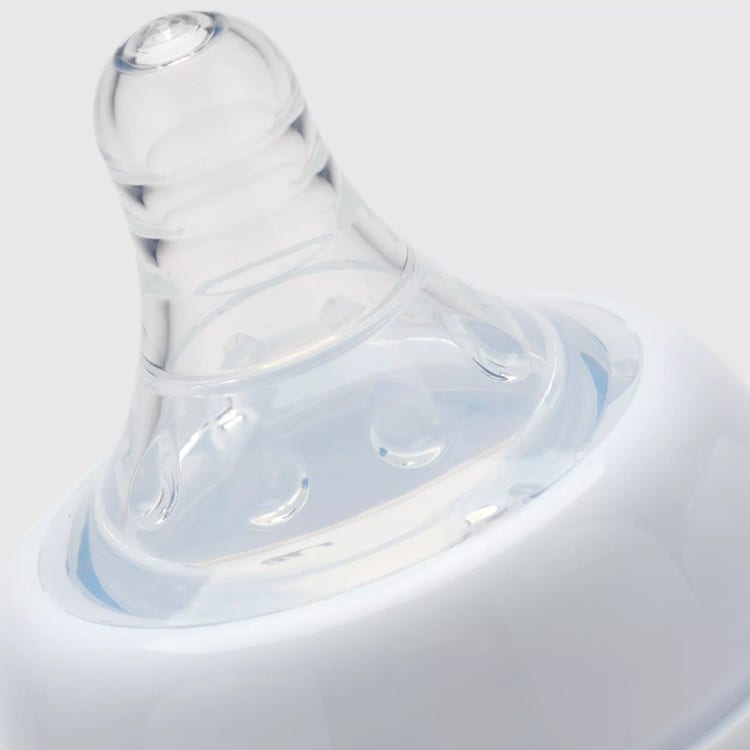
Before you begin bottle feeding, it's essential to gather the necessary supplies. This includes bottles, teats, bottle brushes, sterilisers, as well as breast pumps, and storage bags if you're expressing milk. Teats come in various sizes to accommodate different flow rates, so choose the one that matches your baby's age and feeding needs.
Why sterilise?
Maintaining proper hygiene is paramount when it comes to bottle feeding. By sterilising bottles and teats, you eliminate harmful bacteria, reducing the risk of infection and ensuring that every feed is safe for your baby. This is especially important during the early months when babies are most susceptible to illness.
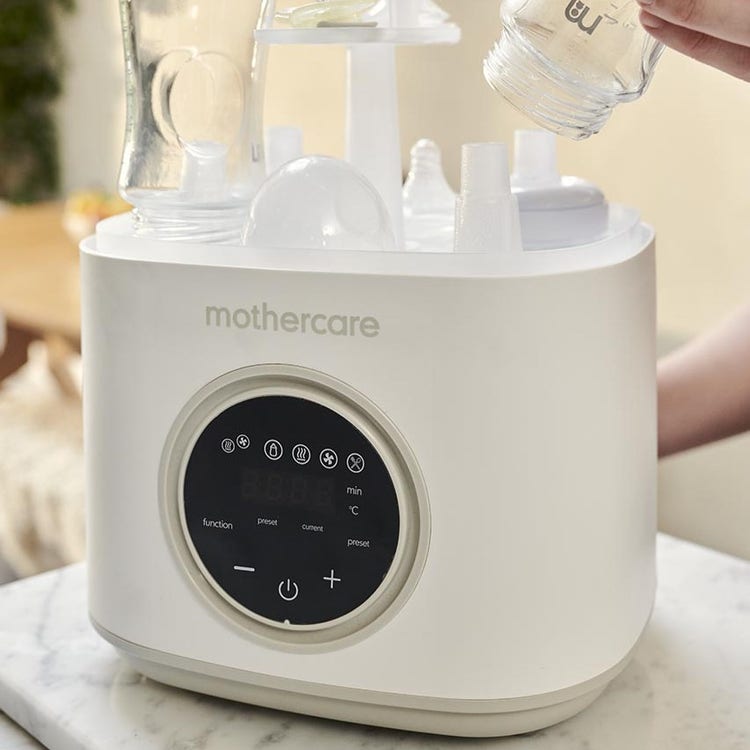
Sterilising bottles is crucial for babies because their immune systems are still developing, and they are more vulnerable to infections. Bottles, teats, and other feeding equipment can harbour harmful bacteria that may cause illnesses. Methods such as UV and steam sterilisers are effective and convenient ways to ensure your bottles and teats are safe for use.
How much milk will my baby need?
Understanding your baby's hunger cues is crucial in determining their feeding schedule. Offer the appropriate amount of milk based on their age and appetite and be flexible to accommodate their needs. Here is a gentle guide to the recommended milk intake for babies based on their age but pay attention to your baby’s cues, they’ll let you know what’s right for them:
-
For newborns (0-4 weeks):
- Your little one may require small, frequent feeds, typically around 60-90 millilitres (2-3 fluid ounces) per session.
- Expect feeds every 2-3 hours, or whenever your baby shows signs of being hungry.
-
Around 1-2 months:
- Your baby may start to take a little more milk, ranging from 90-120 millilitres (3-4 fluid ounces) per feed.
- Feeds usually continues every 2-3 hours.
-
Moving into 2-4 months:
- Babies often consume around 120-180 millilitres (4-6 fluid ounces) of milk per feed.
- You might notice feeds spaced out slightly more, occurring every 3-4 hours.
-
Progressing to 4-6 months:
- Milk intake remains similar as your little one starts showing interest in exploring solid foods.
- Feeding frequency stays steady at around every 3-4 hours.
-
From 6-12 months:
- As your baby begins to explore the world of solids, the volume of milk may adjust slightly.
- They may enjoy anywhere from 120-210 millilitres (4-7 fluid ounces) of milk per feed, alongside solid food.
Remember, these are just guidelines, and your baby's appetite and needs may vary. Trust your instincts, follow your baby's cues, and always consult with your healthcare provider for personalised advice.
Preparing the Bottle
Whether you're using expressed breast milk or formula, it's important to prepare the bottle correctly. Refer to guidelines for the appropriate amount of milk based on your baby's age and feeding requirements.
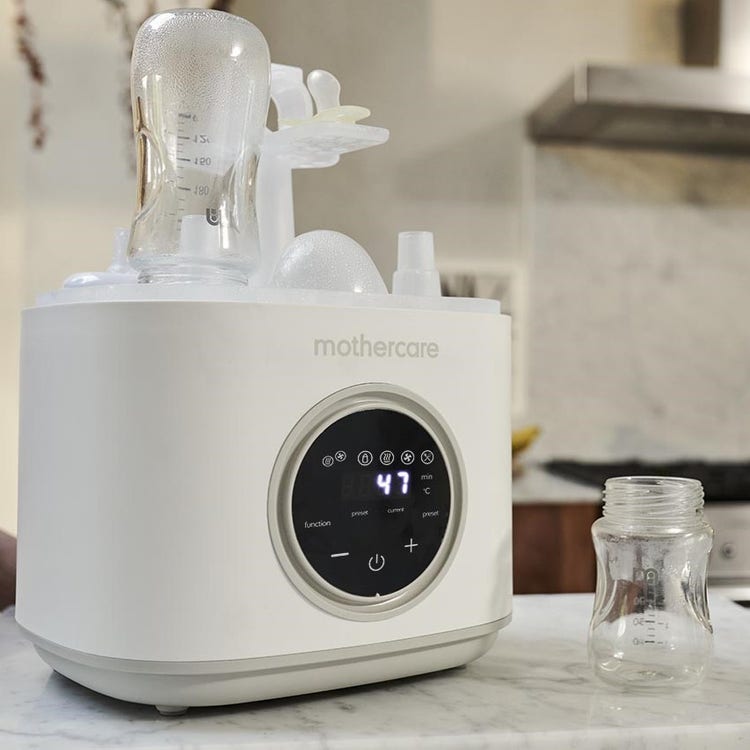
The right temperature for a baby's bottle is around body temperature, which is approximately 37°C (98.6°F). This temperature is similar to breast milk and is comfortable for your baby to drink without the risk of scalding.
To ensure the milk is at the correct temperature, you can use a bottle warmer or warm the milk in a bowl of warm water. Always test the temperature of the milk on the inside of your wrist before feeding your baby to ensure it's not too hot. If it feels comfortably warm, it's safe to feed to your baby.
Introducing Baby to the Bottle:
Creating a comfortable feeding environment is key to a smooth transition for you and your baby. Here are a few tips to make the experience as enjoyable as possible, for you both;
1. Pick the perfect moment: Choose a time when your little one is calm and content, not too hungry or tired. Creating a relaxed atmosphere can make the experience more pleasant for both of you.
2. Set the scene: Find a cosy spot where you and your baby can cuddle up together without distractions. A calm environment can help your baby feel at ease during this new adventure.
3. Experiment with positions: Position them in a semi-upright position with adequate support, feeding cushions are a great choice if you struggle to find a relaxed position. Try different holding positions to see what works best for you and your baby during bottle feeding. Finding a comfortable position can make the experience more enjoyable for both of you.
4. Familiar scents: If you're using expressed breast milk, let your baby smell it before offering the bottle. This familiar scent can help your baby feel comforted and reassured during feeding time.
5. Patience is key: Remember, every baby is unique, and it may take some time for your little one to get used to the bottle. Be patient and gentle, offering the bottle with love and encouragement.
6. Follow their lead: Pay attention to your baby's cues during feeding, such as sucking and swallowing patterns. Take breaks when needed and allow your baby to feed at their own pace.
7. If your baby seems uncomfortable during a feed, spend a few moments burping them to help relieve discomfort caused by trapped wind.
Teat Sizes and Progression:
As your baby grows, they may require a larger teat size to accommodate their increased feeding needs. There are many signs that your baby might be ready to progress to a larger teat, such as increased fussiness during feeds, taking longer to finish a bottle, and tiring easily during feeds. By keeping an eye out for these cues and considering a teat size change if needed, you can ensure your baby's feeding experience remains comfortable and satisfying.
Here’s a guide to teat flows and the approximate ages to transition;
· Slow flow 0+
· Medium flow 3+ months
· Fast flow 6+ months